
Find the support that fits your life.
Every support below says the same six things: what it is, who it suits, what a shift actually involves, where you can get it, how it is funded, and what happens when you contact us.
What we can help with
Seven supports, in everyday words. Pick one to jump straight to the full detail below — what it is, who it suits, what a shift involves, where it is available and how it is funded.
What a support shift actually looks like
Every shift is built around the person's own goals, routine and assessed risks — but here is the honest, ordinary shape of a day.
Helping someone get up and get ready — showering, dressing, breakfast, medication prompts — then transport to an appointment or day program.
Shopping, cooking a meal together, laundry and housework, or getting out into the community — a group, the gym, a coffee, a class.
Sleepover support, where the worker is there if needed, or active night support where someone needs assistance through the night.
Following therapy recommendations, keeping the routine steady, and writing a progress note at the end so the next person knows how the day went.
How long is a shift? It depends on the plan — from a two-hour community access shift through to daily, overnight or 24-hour rostered support.
Do you provide housing? We provide the trained workers and daily living support inside a Supported Independent Living arrangement. Where the house itself comes from a separate accommodation provider, we will say so plainly, so you always know who is responsible for what.
Supported Independent Living (SIL)
What it is: trained support workers in your home — during the day, overnight, or around the clock — so you can live independently and safely.
Who it suits: people who need regular support at home to manage daily life, keep routines steady, and stay safe — whether you live alone or share with others.
What support can include
- Personal care — showering, dressing, grooming, toileting
- Meals — planning, shopping and cooking together
- Medication prompting and following therapy recommendations
- Housework, laundry and keeping the home safe
- Getting to appointments, work, study and community activities
- Overnight sleepover or active night support

High intensity personal care (HiDPAS)
What it is: daily personal care for people with complex health needs, delivered by workers who are specifically trained and signed off for that care — with a clinical lead behind them.
Who it suits: people whose daily care involves higher clinical risk, or where a worker needs particular skills before they can safely start.
What support can include
- Complex personal care and manual handling with equipment
- Care that follows a plan written with your health professionals
- Support delivered under the oversight of our Clinical Lead
- Careful, deliberate worker matching before the first shift
- Detailed handover so nothing depends on one person's memory
Tell us the specific supports needed and we will confirm plainly whether we have workers trained for them right now.

In-home & daily living support
What it is: a support worker who comes to you for set hours each week to help with the parts of the day that are hardest.
Who it suits: people living at home — on their own, with family, or with a partner — who need practical help rather than 24-hour support.
What support can include
- Showering, dressing and personal care
- Meal preparation and grocery shopping
- Medication prompts and daily routines
- Cleaning, laundry and household tasks
- Transport to appointments, and support while you are there
- Building skills so tasks get easier over time
We also help around the home without being asked when it makes life easier for the whole household — several families have told us that is what they value most.
Mental health support
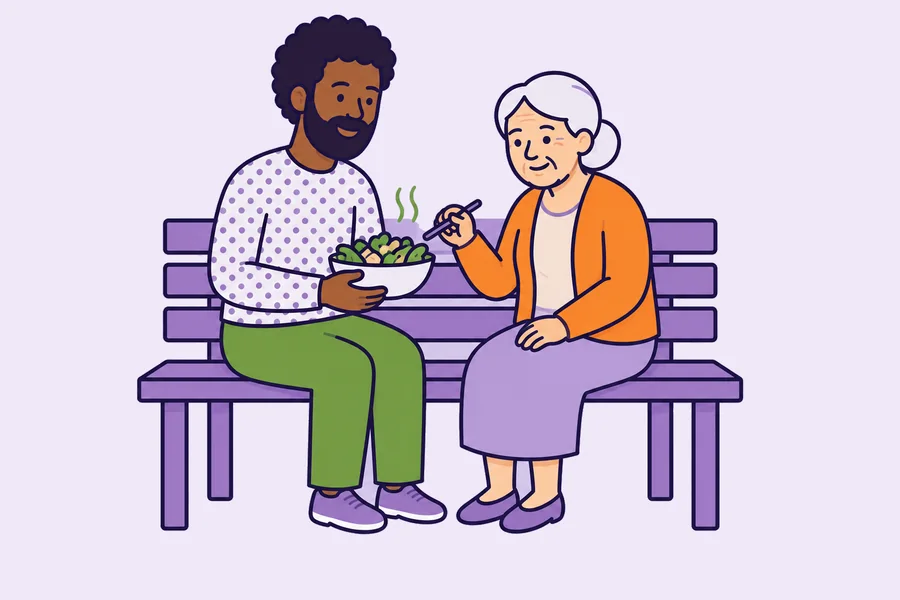
What it is: practical, steady support from the same familiar workers, for people whose mental health affects daily life.
Who it suits: people living with psychosocial disability who want routine, connection and someone reliable — including people who have had a lot of hospital admissions.
What support can include
- Keeping a daily routine when motivation is low
- Getting to appointments and staying connected to your health team
- Support with shopping, meals, bills and the household
- Getting out of the house and back into activities
- Recognising early warning signs and acting on them early
"I've been with Namron four years and I've never been this well. I haven't needed to be hospitalised like I used to."Rains, NDIS participant

Psychosocial recovery coaching
What it is: a coach who works alongside you on the goals you choose, and on the practical barriers in the way of them.
Who it suits: people living with psychosocial disability who want direction and momentum, not just day-to-day assistance.
What support can include
- Setting goals in your own words, and breaking them into next steps
- Working through what has been getting in the way
- Coordinating between your supports, health team and services
- Building confidence toward study, work or volunteering
- Planning for the harder periods before they arrive
Community participation
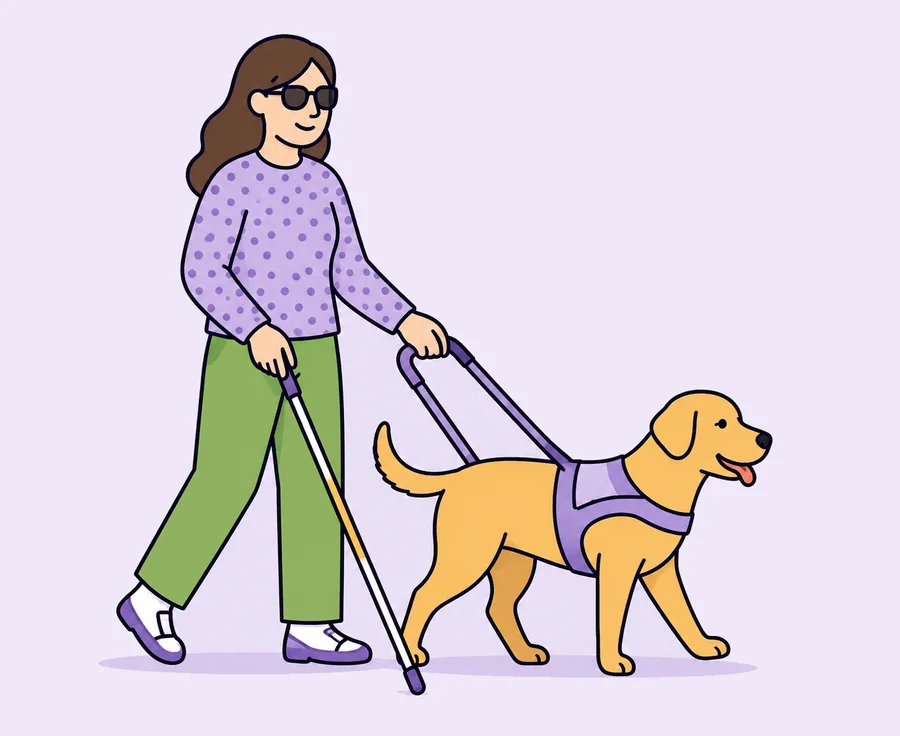
What it is: a worker who goes with you into the community, so getting out is possible, safe and enjoyable.
Who it suits: anyone who wants more of a life outside the house — whether that is a weekly swim, a class, a job, or seeing people again after a long stretch at home.
What support can include
- Transport and support to get where you are going
- Shopping, appointments, sport, groups, church, study or work
- Trying something new with someone alongside you the first few times
- Building the confidence and skills to do more of it independently
Short term accommodation (respite)
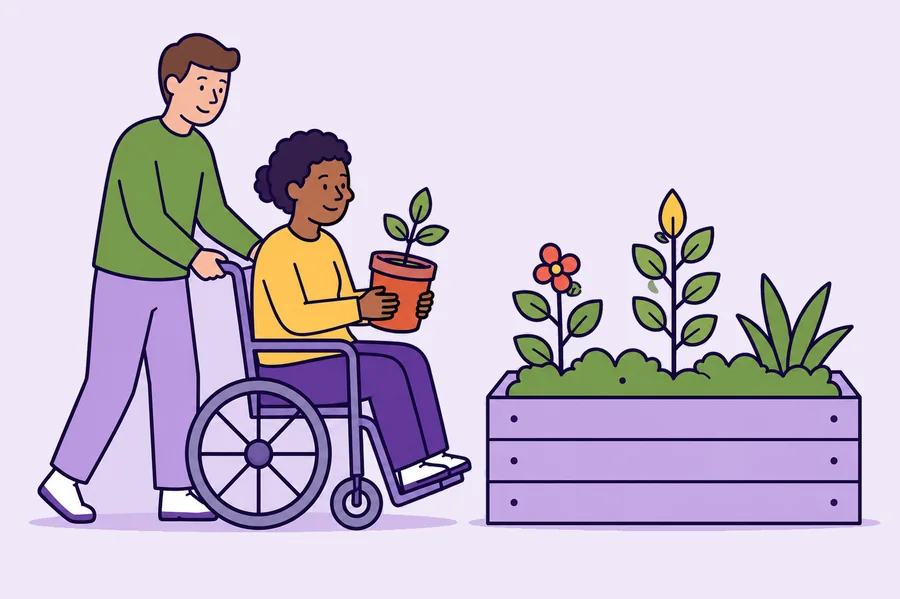
What it is: a short stay away from home with support included — usually a few days, planned in advance.
Who it suits: families who need a break, people between living arrangements, or anyone who wants a change of scene with support in place.
What support can include
- Support with personal care, meals and routine during the stay
- Activities and community access while you are there
- The same care plan and risk information your regular workers use
- A clear handover back to family or the usual support team
Still not sure which support you need?
You do not have to work that out before you call. Tell us what a day currently looks like and what is not working, and we will help you name the support — even if you end up going somewhere else.